

Scooter Helmets NZ: The Local Buyer's Guide
- by Nigel
-

At 7:45am in a Nelson car park, the helmet decision usually takes less time than finding the scooter key. A parent tightens a child's straps, a courier checks a charge port, and a teenager rolls past on an e-scooter with nothing on their head. The law may allow that choice, but a fall onto a kerb, wet road marking, or shared-path edge doesn't care what the law says.
That's the practical question behind scooter helmets NZ shoppers keep asking: what protection makes sense when helmets aren't compulsory for e-scooter riders? The answer is straightforward. Choose a helmet that meets the local standard, fits firmly, suits the rider's speed and route, and gets worn every trip.
Why NZ Scooter Riders Still Need a Helmet
New Zealand law does not currently require an e-scooter helmet, whether the scooter is privately owned or rented, according to the NZ Transport Agency safety review. That is the legal minimum, not a recommendation to ride without head protection.
A careful rider can still lose control in a second. A front wheel catches a raised kerb, a tyre slides over a wet painted line, or someone steps from behind a parked car onto a shared path. The head may hit the ground before hands or knees can absorb the fall, particularly on a faster route.
The gap between rules and consequences
A nationwide ACC-related reporting set recorded 3,992 new scooter injury claims in 2025, with active costs near $16 million. During the first six months of 2026, it recorded 2,761 new scooter injury claims and 3,295 active claims costing more than $9.2 million. The figures appear in coverage of the ACC data and trauma research.
Helmet use among injured e-scooter riders was 5.9%, compared with 75.7% of motorcyclists and 45.0% of pedal cyclists. That comparison points to a clear protection gap. E-scooter riders are being injured while helmet use remains uncommon.
Auckland Transport's micromobility risk study found helmets on 11% of shared devices and 44% of private devices. Brain injuries or concussions made up 4.7% of scooter injuries in the study. The Auckland Transport micromobility risk study supports the practical advice riders already know: ownership, route, and riding conditions affect risk.
Practical rule: If your route includes traffic, kerbs, wet surfaces, busy paths, or regular commuting, wear a helmet every trip, even though New Zealand law does not require it.
A helmet cannot prevent every crash. Lights, controlled speed, and attention at intersections still matter. The helmet's job is narrower and important: it adds protection when an ordinary mistake sends your head toward the road. Choose protection based on injury risk and recognised standards, not just the cheapest listing.
The NZ Standard That Actually Matters
Look inside the helmet before you look at the colour. For New Zealand shoppers, the key benchmark is AS/NZS 2063:2020, the standard covering bicycle and wheeled recreational-device helmets, including kick-scooters and power-assisted kick-scooters. The Standards New Zealand listing for AS/NZS 2063:2020 sets out requirements for construction, impact-energy attenuation, stability, load distribution, retention strength, peripheral vision, and marking.
That sounds technical because it is. On the shop floor, you can reduce it to a few checks.
Read the label, not just the product name
Impact attenuation refers to how the helmet manages impact energy. You can't test the foam by squeezing it, but you can check whether the product information identifies the relevant standard. A listing that only says “urban style” or “protective shell” hasn't answered the important question.
Retention strength covers the straps, buckles, and attachment points that keep the helmet on your head. Check that the chin strap joins the shell securely, the buckle closes cleanly, and the adjustment system can hold tension without slipping.
Stability and peripheral vision affect whether the helmet stays correctly positioned while you ride. The shell shouldn't block your view or wobble when you turn your head. A helmet that shifts easily is a poor choice, even if the sticker looks reassuring.
The size marking matters too. Find the labelled head range, then compare it with your measured circumference. Don't buy by age, hairstyle, or a vague “adult” description.
Bike, skate, and full-face labels aren't interchangeable
Bike helmets, skate-style helmets, and full-face downhill helmets may be designed around different use conditions and certification paths. A CE mark by itself isn't the same thing as evidence that a helmet meets AS/NZS 2063:2020. Ask the retailer which standard the helmet meets and look for clear marking inside the shell or in the product documentation.
The shelf rule is simple:
- Accept: A helmet clearly identified as compliant with AS/NZS 2063:2020.
- Question: A listing that names only a style, brand, or broad safety claim.
- Reject: A helmet with no traceable standard information.
Style can help a rider want to wear the helmet. It can't substitute for the local technical benchmark.
Helmet Types and Where Each One Fits Best
There isn't one perfect scooter helmet shape. The right choice depends on speed, surface, route, and how confidently the rider controls the scooter.
A commuter travelling along shared paths usually needs a light, well-ventilated helmet that stays stable while looking over their shoulder. A child learning balance may benefit from a hard shell with broad coverage and a simple retention system. A rider pushing speed on rougher terrain should think more seriously about extended coverage, provided the extra weight doesn't make them leave the helmet at home.
Compare the main options
| Helmet type | Coverage | Best for | Trade-offs |
|---|---|---|---|
| Standard bike helmet | Good upper-head coverage with strong ventilation | Commuters, cycle paths, everyday riding | Less coverage around the sides and back than some hard-shell designs |
| Skate-style hard shell | Broad, rounded coverage for low-speed falls and scrapes | Children, beginners, park riding, balance practice | Heavier and warmer, and the rider must confirm the applicable standard |
| Full-face downhill helmet | Head coverage plus face and jaw protection | Fast, technical, or high-consequence riding | Heavier, warmer, and can reduce hearing and peripheral awareness |
| Purpose-built e-scooter helmet with rear LED panel | Varies by model, often with commuter-focused rear visibility | Urban riders travelling in low light | Lights don't replace certification, fit, or impact protection |
A skate helmet can be a sensible choice for a child practising at the park, but don't assume its appearance proves it suits every e-scooter use. A full-face helmet offers more physical coverage, yet it's a poor match for a rider who finds it uncomfortable and removes it halfway through the trip.
For a closer look at when extra coverage makes sense, see Rider 18's guide to full-face helmet choices.
Match the shell to the ride
Choose a ventilated bike helmet for a regular commute on sealed paths, provided it meets the local standard and fits properly. Choose a hard-shell design for a younger rider who's likely to have frequent low-speed tumbles and values durable external coverage. Consider full-face protection when the route, speed, and terrain justify it, not because the helmet looks more serious.
The decision rule we use at the counter is this: more speed and rougher terrain call for more coverage, but poor fit cancels out expensive features.
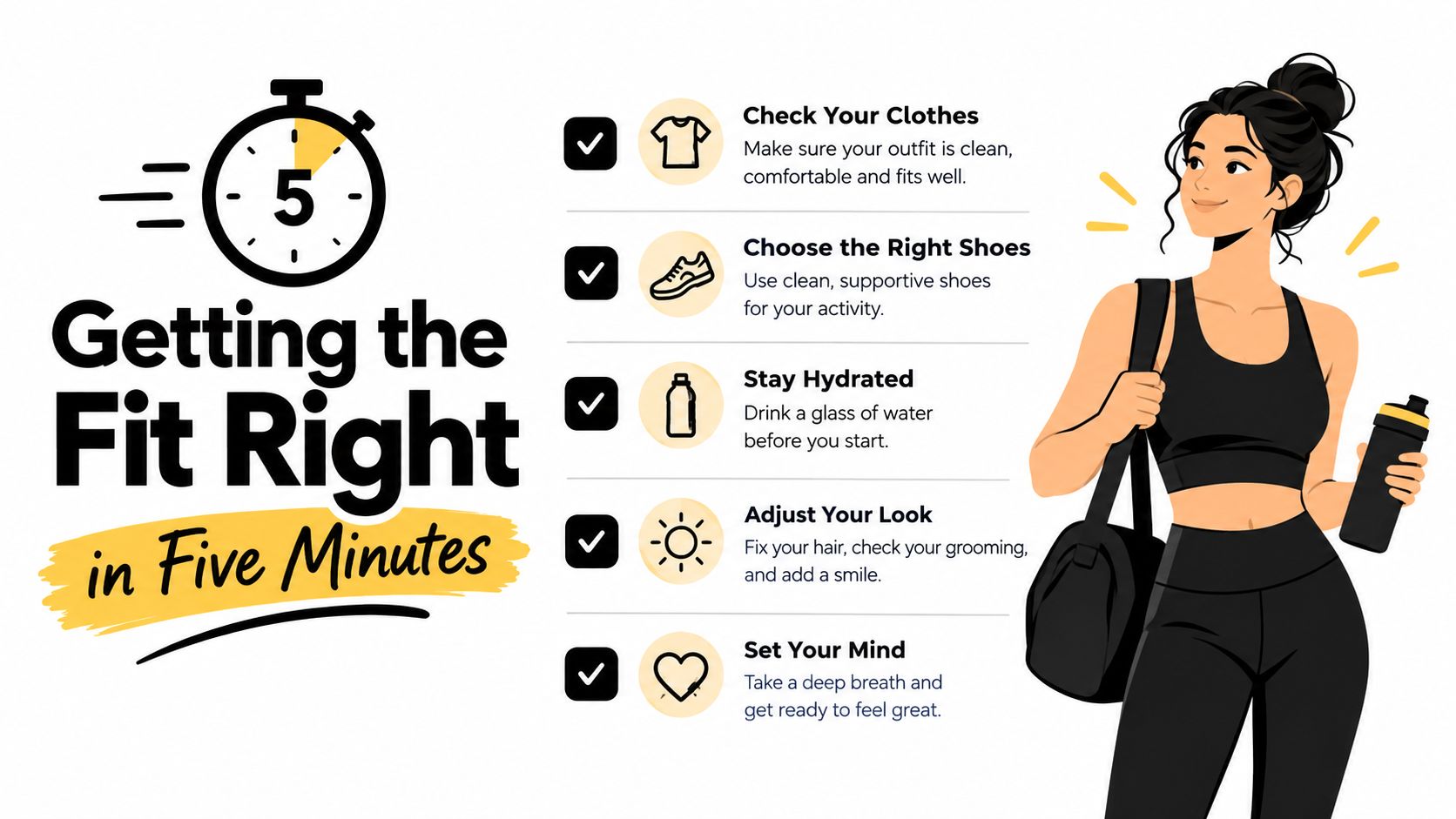
Getting the Fit Right in Five Minutes
A certified helmet only works properly if it stays in the right place during a fall. Fit doesn't need to become a long project. A soft tape measure, a size chart, and a few movement checks are enough.
Measure before ordering
Wrap a soft tape around the head approximately 2 cm above the eyebrows, keeping it level across the forehead and around the widest part at the back. Record the measurement in centimetres and compare it with the manufacturer's size chart. Don't guess from age or assume every medium fits the same way.
Place the helmet level on the head. The front edge should sit roughly two finger-widths above the eyebrows, leaving the forehead covered without obstructing vision. If the shell tilts backwards, the forehead is exposed. If it drops too low, the rider may lose clear sight of the path.
Adjust the straps
The side straps should meet in a V shape just below each ear. Buckle the chin strap and adjust it until one finger fits comfortably between the strap and the chin. It should feel secure, not restrictive.
Use these checks before every new rider takes off:
- Forward check: Rock the helmet forward. It shouldn't slide over the eyes.
- Side check: Shake the head from side to side. The shell should stay centred.
- Rotation check: Try to rotate the helmet by hand. It shouldn't twist freely.
- Comfort check: Look for pressure points, loose areas, or a buckle rubbing the skin.
Hair changes fit. A thick ponytail, loose long hair, or a beanie can lift the shell or create gaps. If the helmet uses a MIPS system, follow the manufacturer's sizing and positioning instructions rather than forcing extra layers underneath.
Used helmets deserve caution. You can't always see internal foam damage, especially after a crash or hard drop. For a safety-critical item, a known history and reliable fit matter more than saving a few dollars.
Visibility Lights and Real World Safety
An LED panel may help a driver notice you. It cannot protect your head when you hit the ground.
Visibility and impact protection serve different purposes. Commuters riding near dusk, in poor weather, or beside traffic should improve how easily others can see them, but a high-vis shell or rear light does not replace a properly fitted helmet. Choose certified protection first, then add visibility features that suit the route and riding conditions.
What lights can add
Integrated rear lights, flashing panels, and reflective details can help a rider stand out against a dark background. They work best when positioned where approaching road users can see them and when the battery is charged.
Check these points before paying extra for electronics:
- Charging method: Can you charge the light easily with your phone or scooter?
- Battery routine: Will it still work at the end of the commute?
- Control location: Can you switch it on without taking attention from the road?
- Crash behaviour: Does it stay on after a fall, or does impact switch it off?
- Daylight value: Is the helmet still visible when the light is less noticeable?
A light strip is an visibility aid, not a protective standard. Check the helmet's certification and construction separately.
Protection still starts with foam and fit
ACC notes that riding without a helmet can increase the severity of head injuries and the cost of claims. Starship's helmet toolkit reports that a properly fitted helmet can reduce the risk of serious brain injury by 74%, as reported in the Auckland Transport safety material. That makes fit a safety requirement, not a cosmetic preference. A bright helmet that moves during a fall still leaves the rider exposed.
For an urban commuter, select a certified helmet with a stable fit before considering rear lighting or reflective clothing. A school rider needs a comfortable helmet they will wear consistently, plus bright clothing and a route with fewer surprises. A rural rider may gain more from reflective details and a high-vis jacket than from a small helmet light alone.
Keep the priorities clear: protect the head first, improve visibility second, and test every electronic feature before relying on it.
A visible helmet helps others spot you. A badly fitted visible helmet remains unsafe.
Buying Helmets for Kids and the Whole Family
Family purchases go wrong in predictable ways. A child grows out of a helmet, a teen refuses a hot or awkward model, or several riders share one lid that fits none of them properly.
Buy by head measurement and intended use, not by the number of people in the household. An adult helmet sitting loosely on a child is unsafe regardless of brand, and a child shouldn't borrow an adult-sized helmet for convenience.
Primary-aged children
Look for a clearly marked standard, a stable shell, broad enough coverage for the riding they do, and a retention system they can tolerate. A simple rear adjustment dial can help fine-tune the fit, but it won't fix a shell that's too large.
For a child using a scooter at the park or on a family path, comfort matters because uncomfortable gear gets left behind. Parents should check the position and straps themselves, then let the child choose a colour they'll happily wear.
Teens and commuters
Teens often ride farther, faster, and in more varied traffic. Prioritise a secure fit, ventilation, clear peripheral vision, and a standard that's stated plainly in the product information. Rear visibility features are useful for low-light commuting, but they shouldn't push the buyer towards a poor-fitting shell.
Adults commuting to a bus stop or workplace need the same discipline. The helmet must fit the rider's head, not the family's average head size.
Rider 18's guide to children's helmets in New Zealand is a useful reference for parents comparing child-specific options.
Weekend family rides
If adults and children ride together, buy separate helmets matched to each rider. Don't move a child into an adult helmet because they're sitting on a parent's scooter or travelling at a slower pace. The child's head still needs a shell that stays correctly positioned.
Replace a helmet after a significant crash or impact, even when the outside looks fine. Replace it after growth makes the adjustment range insufficient, or when the shell, straps, or buckle no longer hold securely. A family buying several helmets should spend on correct standard, fit, and retention before paying for decorative extras.
Screenshot this checklist before you shop:
- Measure: Record each rider's head circumference.
- Confirm: Check for AS/NZS 2063:2020 information.
- Fit: Set the helmet level, adjust the side straps, and buckle snugly.
- Inspect: Reject damaged, heavily worn, or crash-involved helmets.
- Match: Choose the type for the rider's route and confidence.
Care, Crash Checks, and When to Replace
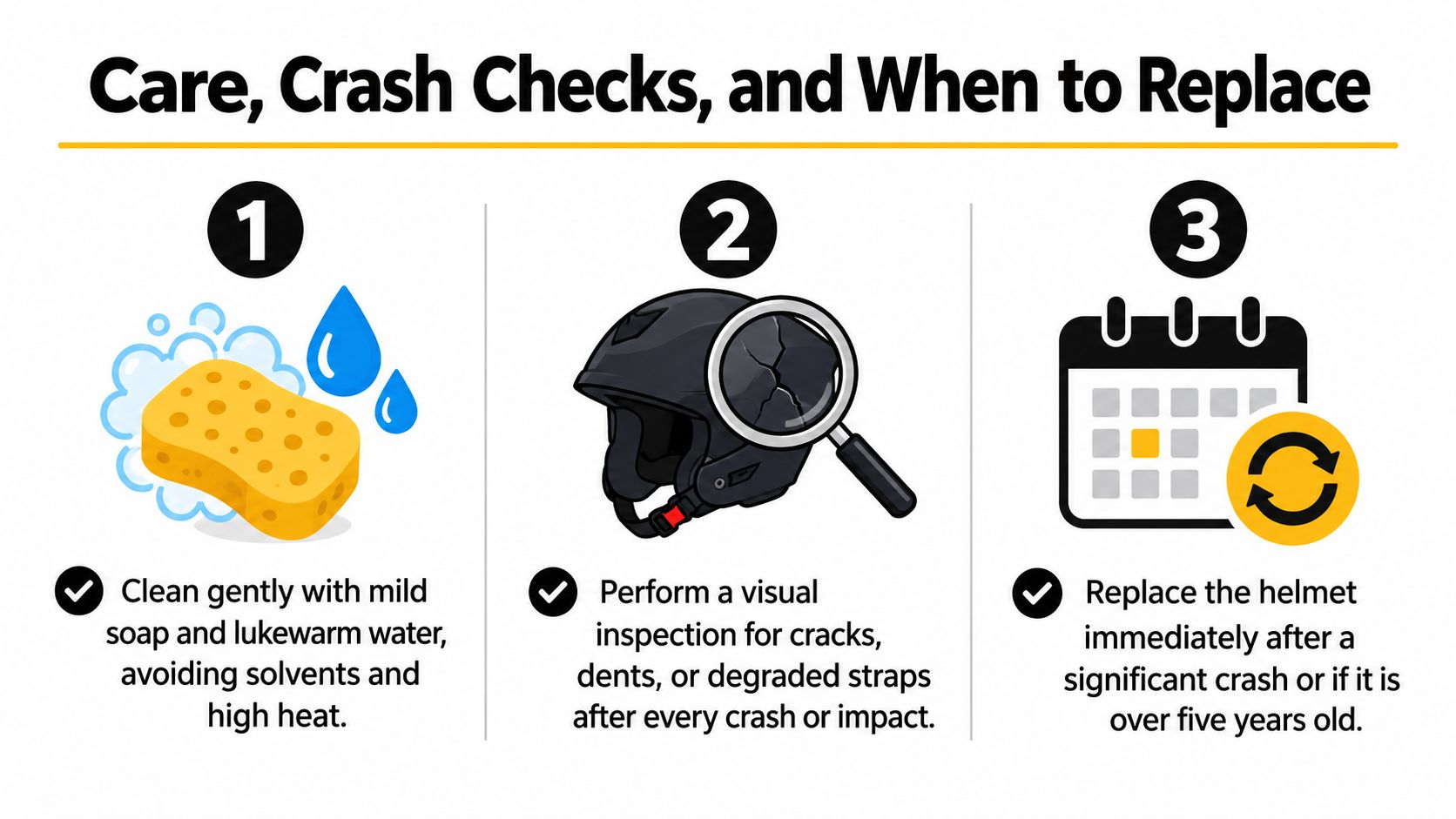
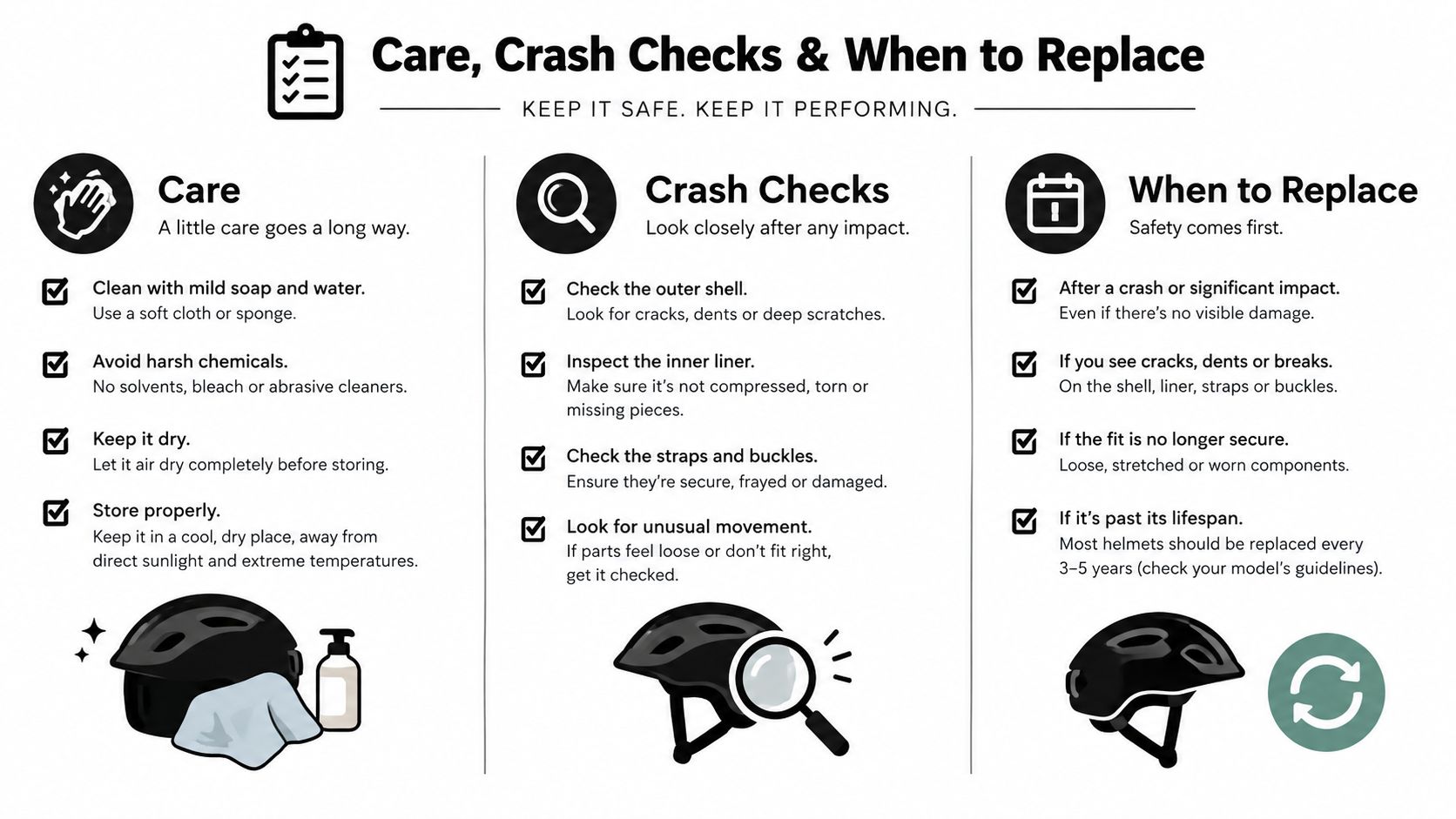
Helmet care is simple, but it needs to happen routinely. Wipe the shell with mild soap and lukewarm water, then let it dry naturally. Solvents, harsh cleaners, and high heat can damage materials, adhesives, or straps, so keep the helmet away from hairdryers, radiators, and hot car interiors.
Store it somewhere cool and dry rather than loose in a vehicle boot with tools, luggage, or sharp equipment. Repeated knocks can damage the shell or compress the foam before the rider notices anything wrong.
Treat every serious impact as the end
If the helmet takes a significant impact, replace it. EPS foam can compress internally without leaving an obvious crack, and the helmet may not manage a second impact in the same way.
That includes a crash onto the road, a hard drop from a bench, or rough handling that leaves visible damage. Don't pass a crash-involved helmet to another rider. Cut the straps before disposing of it so nobody retrieves it and assumes it's safe.
A practical time-based guideline is to replace a helmet once it reaches five years, or sooner if materials deteriorate. Look for a cracked shell, loose fit, perished straps, damaged buckles, or foam that appears degraded. Product guidance may vary, so follow the manufacturer's replacement instructions where they're stricter.
Make the check monthly
Set a recurring reminder and run through this short routine:
- Wash the shell and pads gently.
- Check the shell, foam, straps, and buckle.
- Confirm the helmet still sits level and stays stable.
- Inspect lights, reflectors, and charging points if fitted.
- Store the helmet away from heat, solvents, and heavy gear.
For broader cycling protection and replacement guidance, Rider 18's article on bicycle riding helmets offers useful supporting advice. A helmet that's clean, intact, and correctly fitted is much more likely to be worn and trusted.
Ordering From Rider 18 and What to Expect
Start online by filtering for helmets with clear compliance information and a size range that matches the rider's measured head circumference. Product notes should help you compare shell type, adjustment systems, ventilation, coverage, and visibility features. If the listing doesn't make the standard clear, ask before ordering rather than guessing from a photograph.
The buying process is uncomplicated:
- Choose the model and size: Use the manufacturer's chart, then review the product notes.
- Add it to your cart: Check the size and colour before proceeding.
- Enter a New Zealand delivery address: Make sure the address is complete, especially for rural delivery.
- Select payment and confirm: Keep the order confirmation until the helmet arrives.
- Inspect before riding: Check the shell, straps, buckle, labels, and fit before removing packaging or using it outdoors.
Rider 18 offers free nationwide shipping on orders over $100. Orders below that threshold may have a delivery charge, which is shown during checkout. Delivery timing can vary between the North and South Islands and according to the address, so use the estimate provided for your order rather than relying on a fixed promise.
Returns and support
The stated 14-day returns policy is intended for unused helmets in original packaging, including change-of-mind returns. If the size isn't right, contact the shop about a sizing exchange before riding in the helmet or removing its saleable packaging. Safety equipment returned after use may not qualify, so check the policy and ask first.
Nelson customers can also enquire about in-store pickup at the Vanguard Street shop. For a defective helmet, contact customer support with the order details and photographs where useful. Warranty claims are handled through the shop and the relevant product process.
A good purchase ends with a fit check, not the payment screen. Put the helmet on, adjust it properly, and only then decide whether it's ready for the daily route.
Rider 18 stocks helmets and riding gear for commuters, families, and everyday riders, with online ordering, Nelson pickup, nationwide delivery, and support when sizing or product issues need sorting. Choose a compliant, correctly fitted scooter helmet before your next trip, then visit Rider 18 to compare suitable options.


